

5 Warning Signs Your Steel Structure Needs Sand Blasting Before It Fails
Rust rarely announces itself with a dramatic crack or collapse.
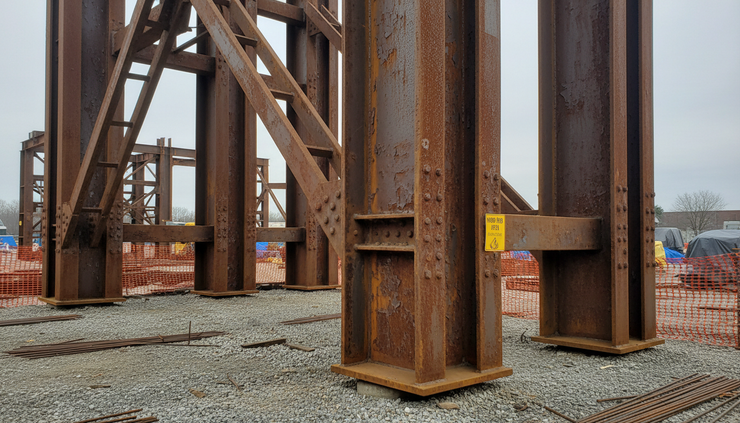
Most of the time, it starts quietly. A stain near a weld. A blister under old paint. A rough patch on a beam that looks harmless from the ground. Then moisture, oxygen, salt, chemicals, and time keep working underneath the surface.
By the time corrosion is obvious, the repair is often larger, more expensive, and harder to schedule around active construction or industrial operations.
That is why steel structures need regular attention. Surface preparation is not just about making steel look better. It protects the life of the structure, helps coatings bond correctly, and gives contractors a clean foundation for repairs, painting, or maintenance.
If any of the warning signs below are showing up on your steel, it may be time to call Nelson Sandblasting & Coating for a professional inspection or quote.
Why corrosion damage gets missed until it becomes expensive
Steel structures are built to work hard. They hold loads, support equipment, carry platforms, frame buildings, and stand up to rough conditions.
That strength can create a false sense of security.
A beam can look solid while corrosion is eating into the surface. A painted handrail can appear fine while the coating is lifting underneath. A storage tank, trailer, bridge component, stair system, or structural frame can hide rust in seams, bolt holes, welds, and tight corners.
The biggest problem is that corrosion does not always spread evenly. One area may look clean while another nearby area is weakening fast.
Common reasons damage gets missed include:
Steel is high overhead or hard to access
Old coatings hide what is happening underneath
Dirt, grease, and mill scale cover early rust
Moisture collects inside joints and crevices
Small rust spots get written off as cosmetic
Inspections happen only after visible failure
For contractors and facility managers, delayed action can mean more than a bigger repair bill. It can cause project delays, coating failures, safety concerns, and emergency shutdowns.
The earlier steel is properly cleaned and prepared, the easier it is to stop corrosion from spreading.
1. Surface rust is spreading beyond small spots
Surface rust is often the first visible sign that steel needs attention.
A few orange-brown areas may not seem urgent. In some cases, they may be light oxidation. But when rust starts spreading across beams, plates, railings, brackets, or equipment frames, it is a warning.
Surface rust shows that the protective coating has failed or that bare steel has been exposed long enough for oxidation to begin.
Look for rust in these areas:
Around welds
Along lower edges where water runs down
Near bolts, fasteners, and connection plates
Under peeling paint
On steel exposed to weather, chemicals, or salt
Around scratches, scrapes, and impact marks
The danger is not only what you can see. Rust can creep under paint and coatings. It can expand, lift the coating, and expose more steel. Once moisture gets under that protective layer, the damage keeps spreading.
Do not wait for surface rust to turn dark, scaly, or uneven. That usually means the corrosion process has advanced.
Professional sand blasting removes rust, old coatings, mill scale, and contaminants from the steel surface. It gives inspectors and coating crews a true look at what condition the metal is in.
2. Paint is flaking, bubbling, or lifting from the steel
Paint failure is one of the clearest signs that steel is no longer protected.
A coating system only works when it stays bonded to the surface. Once paint begins to lift, moisture can enter. Corrosion can then grow under the coating where it is hard to see.
Flaking paint often looks like chips, curled edges, or bare patches. Bubbling paint may look like blisters or raised pockets. Both point to a deeper problem.
This can happen for several reasons:
The surface was not cleaned well before painting
Rust was painted over instead of removed
The coating has reached the end of its service life
Moisture or chemicals have worked under the finish
The wrong coating was used for the environment
Wire brushing may knock off the loose flakes, but it usually does not create the surface profile needed for a long-lasting industrial coating. It can also leave rust, old paint, and contaminants in pits and low spots.
That is where professional abrasive blasting makes a difference.
Abrasive blasting cleans the steel more evenly and reaches areas that hand tools miss. It creates a prepared surface that helps primers and coatings grip properly. For structural steel, that bond matters.
A good coating over poor surface prep will fail early. A good coating over properly blasted steel has a much better chance of lasting.

3. Pitting has started to mark the surface
Pitting is more serious than general surface rust.
Instead of a thin layer of oxidation, pitting creates small holes or craters in the steel. These pits may be shallow at first, but they create low points where moisture and debris can collect. That makes future corrosion worse.
Pitting is easy to overlook from a distance. It may look like rough texture, peppering, or small dark spots. Up close, the surface may feel uneven or cratered.
Common places for pitting include:
Horizontal steel where water sits
Lower sections of columns and supports
Areas exposed to chemicals or washdown
Steel near coastal air or deicing salts
Under old coating systems
Inside corners and crevices
Pitting matters because it can reduce the steel’s thickness over time. Even if the structure still appears solid, localized corrosion can create weak spots.
Blasting helps expose the full extent of pitting. Once the rust and old coating are removed, the steel can be inspected more accurately. From there, contractors can decide whether the steel can be coated, repaired, reinforced, or replaced.
Skipping this step can lead to hidden corrosion being sealed under a new coating. That coating may look good at first, but the problem remains active underneath.
4. Discoloration or staining keeps coming back
Not all corrosion looks like heavy rust.
Sometimes the warning sign is discoloration. This may show up as brown streaks, black staining, white residue, streaking under joints, or uneven color across painted steel.
Recurring stains often point to a source of moisture or contamination.
For example, rust streaks below a connection plate may mean corrosion is active inside the joint. Discoloration beneath a handrail base may mean water is trapped at the anchor point. Stains near tanks, piping, or machinery may point to chemical exposure or leaks.
Do not ignore stains that return after cleaning. If the surface keeps bleeding rust, the problem is deeper than dirt.
Common causes include:
Water trapped behind plates or brackets
Rust forming under a coating
Chemical residue attacking the steel
Contaminants left before a previous paint job
Poor drainage or repeated condensation
Crevice corrosion around tight joints
Professional blasting gives crews a clean starting point. It removes surface contamination and exposes areas that need repair before coating.
For industrial contractors, this is especially valuable before repainting, fabrication, retrofit work, or equipment installation. Clean steel reduces surprises.
It also helps prevent wasted labor. There is little value in applying a new coating over a surface that is still contaminated or actively corroding.

5. Structural weak spots are starting to show
This is the warning sign that should never be delayed.
Rust and coating failure are surface concerns at first. Structural weakness means corrosion may already be affecting performance.
Signs can include:
Deep section loss
Cracks near welds or connections
Loose or failing bolts
Distortion around load points
Soft or crumbling rust scale
Movement in stairs, platforms, railings, or supports
Holes or thinning steel
Deformed plates, brackets, or gussets
If a steel member shows visible thinning, cracking, bending, or loose connections, stop treating it as a cosmetic issue.
At that point, the structure may need engineering review, repair, reinforcement, or replacement. Sand blasting does not fix lost steel, but it does make the condition visible. That visibility is critical.
Heavy corrosion can hide the true shape and thickness of the steel. Old paint and rust scale can make a member look bulkier than it really is. Once the surface is blasted clean, inspectors can see what they are working with.
That helps avoid guesswork.
For construction and industrial projects, guesswork is expensive. Proper surface preparation supports better decisions before crews coat, weld, repair, or reinstall components.
Why DIY cleaning usually falls short
Wire wheels, scrapers, sanding discs, and chemical strippers can help with small touch-ups. They are not a strong plan for industrial steel preparation.
Hand tools often leave rust behind in pits, corners, weld lines, and rough surfaces. Chemical stripping can be messy, slow, and difficult to control on large or irregular steel. Both methods can fail to create the right surface profile for industrial coatings.
That means the new coating may not bond well.
Professional sand blasting is different because it can clean large areas efficiently and consistently. It also prepares the steel surface for the next step, whether that is priming, painting, inspection, or repair.
Key advantages include:
More complete rust and coating removal
Better access to rough or irregular surfaces
Cleaner welds, corners, and edges
Improved coating adhesion
Faster preparation for large steel projects
A clearer view of hidden damage
Less chance of sealing corrosion under new paint
Surface preparation sets the standard for everything that follows.
If the steel is not clean, dry, and properly profiled, even a high-quality coating can fail early. That can mean rework, extra downtime, and avoidable cost.
When sand blasting makes the most sense
Not every rust spot requires a full blasting project. The right approach depends on the condition of the steel, the coating system, the environment, and the final purpose.
Sand blasting is often the right choice when:
Rust covers more than isolated touch-up areas
Paint is flaking, bubbling, or failing across the structure
Steel needs repainting or recoating
Pitting or scale is visible
A repair crew needs a clean surface for welding or inspection
Old coatings must be removed before a new system goes on
Steel has been exposed to moisture, chemicals, or outdoor weather
Prior coating work failed sooner than expected
It is also useful before fabrication, restoration, maintenance shutdowns, and large repainting projects.
For contractors, the value is practical. Clean steel makes work easier to assess, easier to coat, and easier to document. It helps keep the job moving instead of forcing crews to stop because hidden damage appears late.
What Nelson Sandblasting & Coating looks for during an inspection
A professional inspection is about more than spotting rust.
Nelson Sandblasting & Coating can help identify whether the surface is ready for blasting, what areas need special attention, and what level of preparation may be needed before coating or repair.
A typical review may look at:
The condition of the existing coating
Visible rust and corrosion patterns
Areas where moisture collects
Pitting, scaling, or section loss
Welds, bolts, corners, and seams
Access needs and jobsite conditions
The intended finish or coating system
Safety and containment considerations
This helps match the work to the project.
A steel stair system, industrial tank, trailer frame, support column, structural beam, and machinery base can all have different preparation needs. The blasting method, abrasive choice, equipment setup, and safety planning should fit the job.
That is the benefit of working with a professional crew. The goal is not just to remove rust. The goal is to prepare the steel correctly for what comes next.

Do not wait for corrosion to choose the schedule
Rust does not wait for a slow season.
If your steel is showing surface rust, flaking paint, pitting, recurring stains, or signs of weakness, it is time to take a closer look. Early action can help prevent coating failure, larger repairs, job delays, and safety concerns.
Nelson Sandblasting & Coating works with construction and industrial contractors who need dependable surface preparation for steel structures, equipment, and components.
If something looks off, do not guess.
Contact Nelson Sandblasting & Coating today for a free inspection or quote. A professional look now can help you plan the right repair, protect your steel, and avoid a much more expensive problem later.

Comments